Guides
SE-DJPL 48/2024 Guide: CCTV & AIS Receiver Specifications and I-Motion Integration for Tersus & TUKS
SE-DJPL 48/2024 sets minimum specifications for CCTV cameras and AIS Receivers at Tersus and TUKS for integration into I-Motion. Learn the specifications, the required outputs, and why an integrated AIS is required to renew a terminal permit.
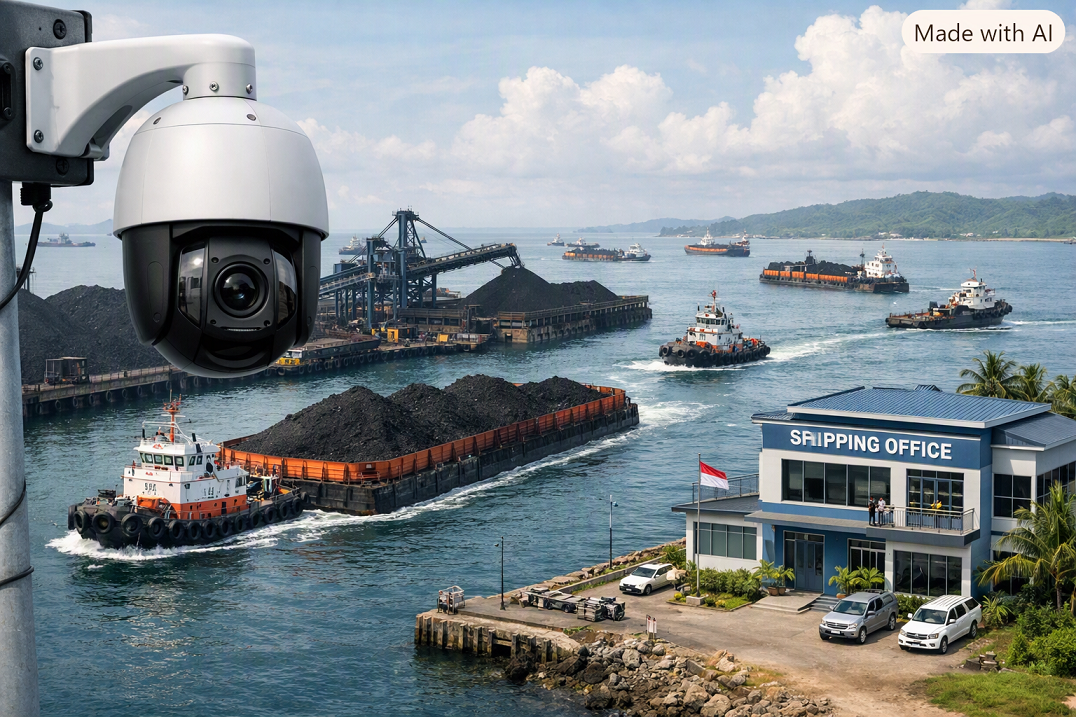
For owners and operators of Special Terminals (Tersus) and Private-Use Terminals (TUKS), monitoring vessel traffic internally is no longer enough. Through Circular Letter No. SE-DJPL 48 of 2024, the Directorate General of Sea Transportation sets the technical specifications for CCTV cameras and AIS Receivers at Tersus and TUKS, with the data integrated into I-Motion, the Directorate General's integrated application for real-time vessel monitoring.
This matters even more because, in practice, renewing a Tersus or TUKS operating permit requires an AIS that is already integrated into I-Motion.
This article summarizes the circular, the minimum specifications it sets, and the practical requirements needed for the system at your terminal to actually work.
About SE-DJPL 48 of 2024
- Issued: 29 November 2024 by the Director General of Sea Transportation.
- Replaces: SE-DJPL 43 of 2024 on the same subject, which is revoked and no longer valid.
- Applies to: Special Terminals (Tersus) and Private-Use Terminals (TUKS).
- Scope: installation and operation of CCTV cameras at strategic locations that can be integrated into I-Motion, and integration of AIS Receivers into I-Motion.
- Regional implementation: Harbor Master offices (KSOP) and Port Authority Units (UPP) are asked to disseminate the circular to Tersus and TUKS operators in their areas.
The full document can be downloaded from the Directorate General's website: SE-DJPL 48 of 2024.
Permit Renewal Requirement for Tersus and TUKS
In addition to the circular's provisions, operators need to note one important point: when applying to renew a Tersus or TUKS operating permit, the terminal must already have an AIS Receiver integrated into I-Motion.
This means AIS integration is not only a matter of technical compliance, but also determines whether the terminal's operating permit can be renewed smoothly. Since procurement, installation, and getting the data to appear in I-Motion all take time, this work should start well before the permit expires.
Legal References
The circular refers to, among others:
- Law No. 66 of 2024, the Third Amendment to Law No. 17 of 2008 on Shipping.
- Government Regulation No. 31 of 2021 on the Implementation of Shipping.
- Government Regulation No. 5 of 2010 on Navigation.
- Minister of Transportation Regulation No. PM 18 of 2022 on the Automatic Identification System for Ships.
- Minister of Transportation Regulation No. PM 4 of 2023 on Maritime Telecommunications and Vessel Traffic Management Services in Indonesian Waters.
- Director General of Sea Transportation Decree No. 731 of 2022 on Technical Guidelines for AIS Monitoring and Reporting.
- Director General of Sea Transportation Circular No. SE-DJPL 8 of 2024 on Port Service Standardization.
Minimum CCTV Specifications
Under SE-DJPL 48/2024, CCTV cameras must meet the following:
- Camera type may be adjusted to the installation location.
- Resolution: HD, day/night camera.
- Usable during both day and night.
- Range: at least 3 NM (about 5.5 km), panoramic.
- Lens focal length: at least 100 mm.
- Compression: H.264 / MPEG / MJPEG.
- Recording: storage for at least 14 days of footage.
- Location: CCTV installed at the wharf.
Minimum AIS Receiver Specifications
- Antenna: vertical/horizontal with impedance of about 50 Ω to capture VHF signals from nearby vessels' AIS transmitters.
- Frequency: operates on the standard AIS VHF frequencies, 161.975 MHz and 162.025 MHz, and can receive NMEA data from nearby vessels.
- Connection: USB or serial to a computer for monitoring or further processing.
- Receives AIS messages with no limit on the number of vessels.
- Can be integrated with a web server, I-Motion, or Ministry of Transportation applications.
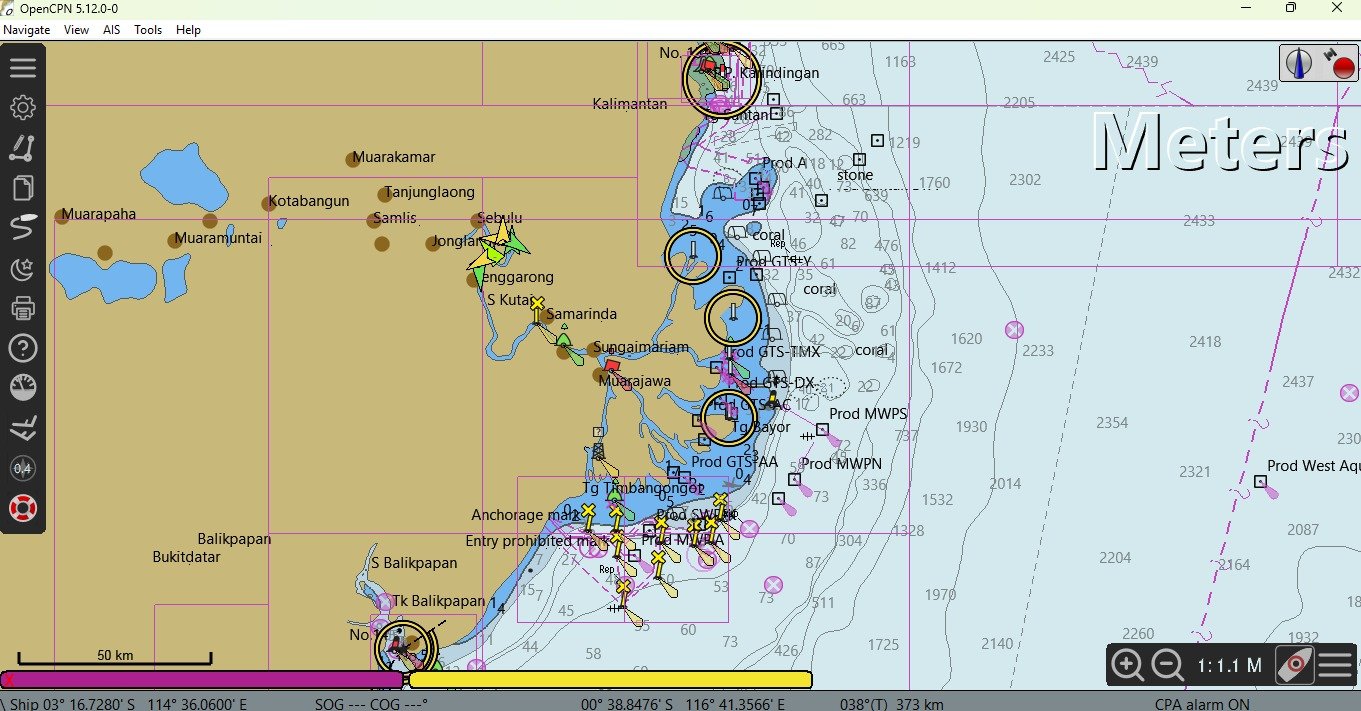
- Optional: a mini PC for data processing and storage, and open-source Vessel Management Software (VMS) such as OpenCPN.
Required Output
This is the most important part, because it is how your terminal's data connects to I-Motion:
- CCTV: an RTSP (Real Time Streaming Protocol) link.
- AIS: a Public IP address with an AIS port.
These CCTV and AIS outputs are reported to the local KSOP or UPP, then forwarded to the Director General of Sea Transportation for integration into I-Motion.
Minimum Specifications vs Field Requirements
The figures in the circular are minimums. From our experience at river and coastal terminals across Kalimantan, the following largely determine whether the system runs reliably:
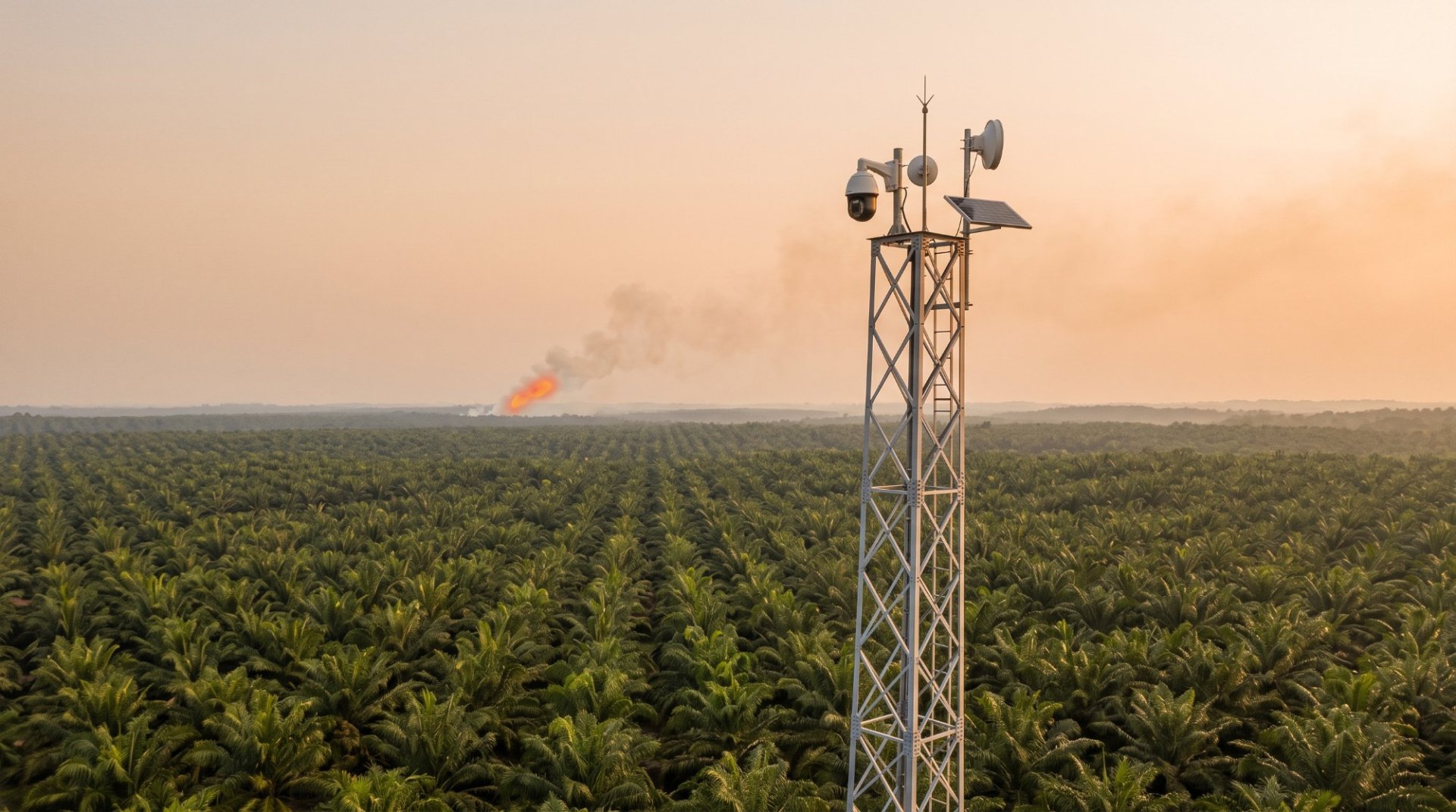
- PTZ cameras with strong optical zoom. A clear image at 3 NM usually requires a long-range PTZ camera rather than a standard fixed camera.
- Mast and mounting position. Cameras and AIS antennas need to be mounted high enough with a clear view of the wharf and channel.
- Stable internet and a Public IP. The RTSP and Public IP + port output requirements mean the terminal needs a dedicated connection (fiber optic, radio link, or satellite for remote sites) and correct port forwarding.
- Power and UPS, so data keeps flowing during outages.
- Lightning protection and grounding, as open wharf areas are exposed to lightning strikes.
- Coastal-grade equipment, rated at least IP66 with corrosion-resistant materials.
- Recording capacity. The minimum is 14 days, but 30 days or more is worth considering for incident investigations.
Steps to I-Motion Integration
If your Tersus or TUKS permit is due for renewal, make sure the following steps are completed before submitting the renewal application:
- Site survey: mast locations, camera coverage, cable routes, and internet availability.
- Planning and procurement of equipment compliant with SE-DJPL 48/2024.
- Installation of masts, cameras, AIS antenna and receiver, recorder, network, and power.
- Network configuration: Public IP, port forwarding, camera RTSP links, and AIS port.
- Reporting the outputs (RTSP links and AIS Public IP + port) to the local KSOP or UPP, to be forwarded to the Directorate General.
- Connection testing until camera and AIS data appear in I-Motion.
- Handover and routine maintenance.
Our Experience
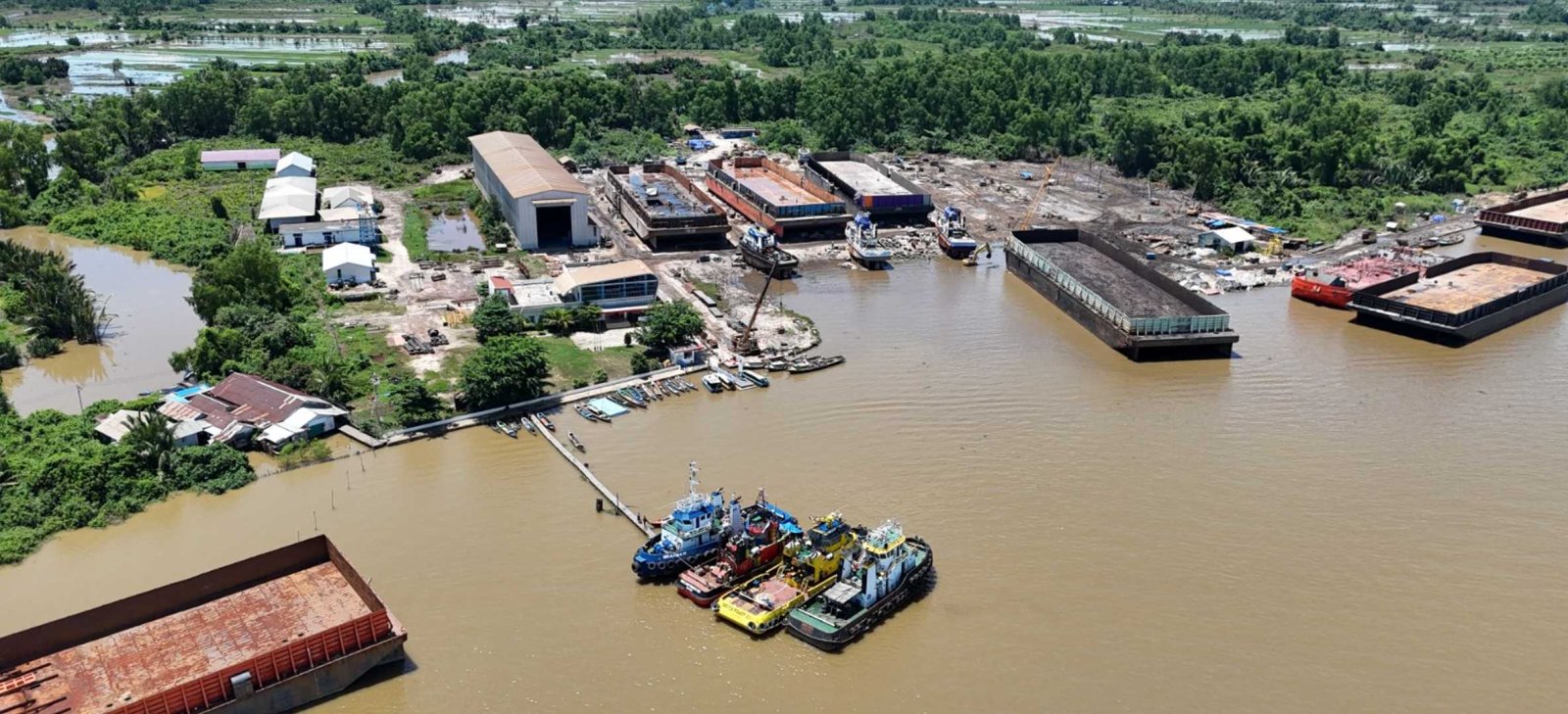
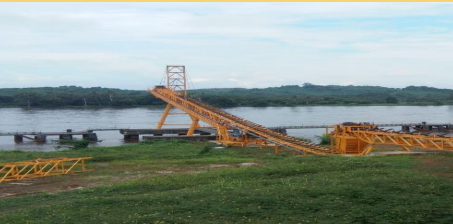
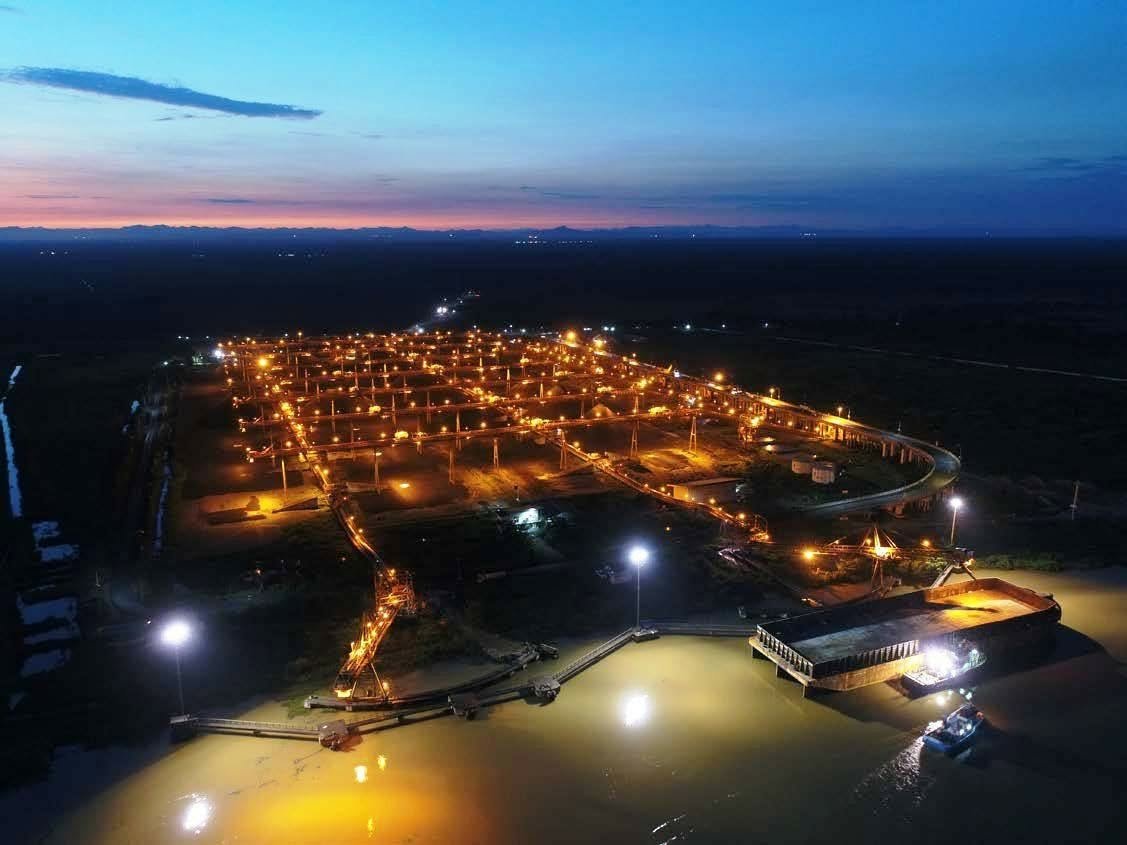
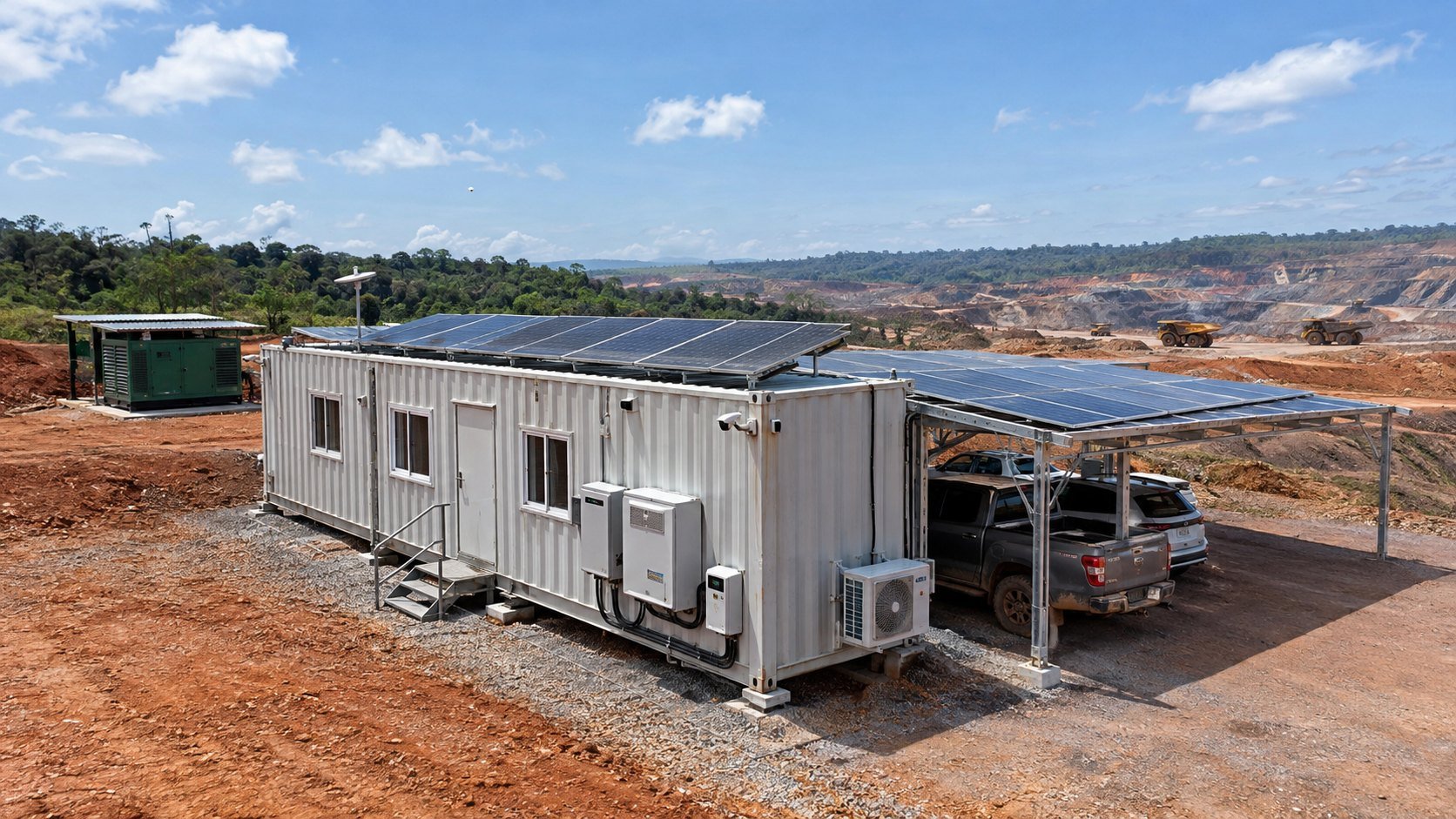
We have installed AIS and camera systems for a number of terminals in Kalimantan, including PT Tapin Coal Terminal, PT Tambang Damai, PT Mahakam Sumber Jaya, and PT Batubara Duaribu Abadi (Harum Energy Group), PT Patria Maritim Perkasa (Astra Group), and PT Bumi Karunia Pertiwi. Project details are listed at the end of this article.
Our service covers every stage above in a single package: site survey, equipment procurement, mast and fiber optic installation, internet connectivity, through to configuring the RTSP and AIS outputs and testing the connection to I-Motion. You only need to coordinate with one team.
Discuss Your Terminal's Requirements
Not sure whether your terminal's equipment meets SE-DJPL 48/2024, or is your terminal permit due for renewal soon? Contact the connect1.id team for a technical consultation and to schedule a site survey.
Need a solution for your organisation?
Talk to our team about your requirements — free and with no obligation.